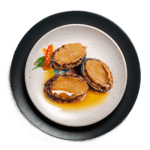

Frozen abalones, due to their convenience, have become a popular ingredient for family dinners and daily meal additions. However, many people often encounter problems such as the meat becoming dry, tough, and chewy when cooking frozen abalones. They are also frequently confused about questions like "how long exactly to cook them" and "how to cook them to keep them tender". In fact, the core secrets to cooking frozen abalones are "thawing properly, heating moderately, and using the right techniques". As long as you master the following methods, you can easily cook delicious abalones that are tender, springy, neither hard nor dry, and completely solve all cooking problems.
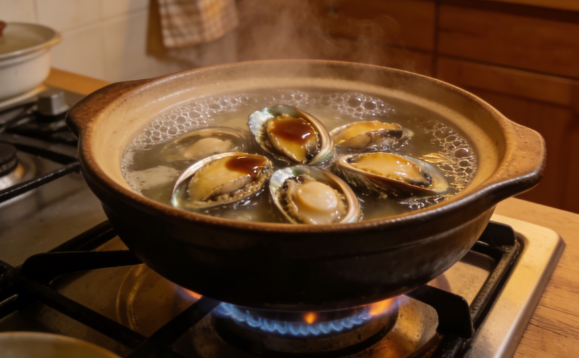
First, understand: How long to boil frozen abalone? Time accurately according to size
The cooking time for frozen abalone depends primarily on the size of the abalone and the cooking method, and timing must start after it is "completely thawed" (cooking it without thawing first will result in uneven doneness, with the outer layer being tough and overcooked while the inner layer remains undercooked). Here are the 3 most commonly used cooking methods, with precise timing to avoid mistakes. The cooking time is slightly 2-3 minutes longer than that for fresh abalone to prevent the meat from becoming tough.
Boiling/Blanching (put into the pot after the water boils, the most hassle-free way)
Suitable for making poached abalone and cold dressed abalone, preserving the original flavor. Timing starts when the water is completely boiling and then the thawed abalone is put in:
-
Small size (2-4cm, approximately 8-10 pieces): 5-8 minutes, cook until the meat curls slightly;
-
Medium size (4-6cm, approximately 5-7 pieces): 8-11 minutes, can easily pierce through the thickest part with a chopstick when lightly poked;
-
Large size (6-10cm, approximately 3-4 pieces): 11-14 minutes, avoid cooking for more than 15 minutes;
-
Extra large size (>10cm): 14-16 minutes. You can turn off the heat and simmer for 2 minutes halfway through to reduce the cooking time.
Steaming (start timing after the water boils and steam rises; this results in the tenderest texture)
Steaming can lock in the moisture of abalone to the greatest extent, making it more tender than boiling. It is suitable to be paired with minced garlic and vermicelli. The timing starts when the abalone is put into the steamer after the water in the steamer boils and produces steam:
-
Small size: 6-7 minutes, until the meat turns from translucent to milky white;
-
Medium size: 7-9 minutes, edges slightly curled, full of elasticity;
-
Large size: 9-12 minutes, extra-large size: 12-15 minutes. It is not recommended to extend the time.
Boiling with shells (put in cold water, more flavorful)
Suitable for simple home cooking. No need to shell after thawing. Put in cold water, bring to a boil, then turn to low heat. Start timing from when you turn to low heat:
-
Medium-sized with shell: 10-13 minutes;
-
Large-sized with shell: 13-16 minutes. After cooking, simmer for 3 minutes to make the meat softer and stickier.
Supplement: Sliced and stir-fried / used in soup (to lock in tenderness in a short time)
If you slice the thawed abalone, stir-fry it over high heat for only 3 minutes until it changes color, then it can be served; for making soup, add the abalone after the soup boils, simmer over low heat for 5-8 minutes (adjust according to size), and finally turn off the heat and let it steep for 2 minutes to avoid it becoming tough from overcooking.
Core tip: How to cook frozen abalone to make it tender and not hard?
Many people find that frozen abalones become tough when cooked. It's not because they didn't master the timing, but because they overlooked the details of thawing, handling, and heating. Remember these 4 key steps, and no matter which cooking method you use, the abalones will be tender and not dry.
Thawing is the foundation: thaw slowly without damaging the meat texture (the most crucial step)
If frozen abalone is thawed improperly, its meat will become tough and release water in advance, and no matter how you cook it afterward, it will remain hard. There are only 2 correct ways to thaw it; be sure to avoid incorrect operations:
-
Recommended Method 1: Thawing in the refrigerator (optimal). Take the frozen abalone out of the freezer, put it in the refrigerator, and let it stand for 6-8 hours (overnight is best) until it is completely thawed, then take it out. This method allows for even thawing, can retain the moisture and elasticity of the abalone to the greatest extent, and the meat is not easy to become tough.
-
Recommended Practice 2: Thaw by soaking in cold water. If time is tight, put the frozen abalones in a sealed bag (to prevent water from entering), soak them in cold water, and change the cold water 1-2 times midway. They can be completely thawed in 1-2 hours.
-
Taboos: Do not thaw with hot or warm water, and do not put directly into boiling water to cook! Hot water will instantly coagulate the surface of abalone, lock in the internal coldness, resulting in uneven doneness inside and out, with the outer layer becoming tough and the inner layer undercooked, and finally the whole abalone becoming hard and chewy; also, do not leave it at room temperature for too long to thaw to avoid bacterial growth.
Handling of extra points: clean it by brushing + make cuts, making it softer and more flavorful
After thawing abalone, follow these 2 steps: it will not only be easier to cook until tender, but also avoid uneven flavor absorption.
-
徹底清洗:用牙刷輕輕刷洗鮑魚表面的黑膜、黏液和雜質,尤其是裙邊縫隙處,避免雜質影響口感;清洗後可輕輕刮去表面多餘的筋膜,進一步避免煮製後發硬。
-
劃刀技巧:將清洗乾淨的鮑魚取出,肉厚的地方輕輕劃幾刀(不要切斷),切成網狀或斜刀紋即可。這樣不僅能讓鮑魚受熱均勻,更快煮軟,還能讓調味更好地滲入,口感也更嫩。
Heating key: Simmer over low heat, better to be shorter than longer.
Abalone has tender meat. When heating, it is most afraid of being cooked over high heat for a long time. High temperature will make its protein coagulate quickly and lose moisture, thus becoming hard and dry. No matter which cooking method is used, the principle of "cooking slowly over low heat, and preferring shorter time to longer" should be followed:
-
Boiling/Blanching: Put the abalone into boiling water, immediately turn to low heat, and keep it at a gentle boil; do not let the water roll violently.
-
Steaming: After the steamer starts to release steam, put the abalones in, turn to medium heat and steam slowly. Avoid using high heat to steam them quickly, which would overcook them.
-
Supplementary tips: 1-2 minutes before the specified cooking time is up, you can take one out to test it first. If a chopstick can easily pierce through it and the meat is full of elasticity, it means it is fully cooked; if it is still a bit hard, you can cook it for another 30 seconds to 1 minute. Never cook it for too long at one time.
Finishing technique: Let it simmer after boiling, and the tenderness will double.
Here's a little trick to make frozen abalone more tender. No matter which cooking method you use, don't take it out immediately after it's cooked. After turning off the heat, cover the pot and let it simmer for 5-10 minutes (5 minutes for small ones, 10 minutes for large ones). Using the residual heat will make the abalone cook evenly inside and out, and at the same time, it will absorb a small amount of water, making the texture softer, glutinous, and more chewy. It can also prevent it from hardening after cooling.
Common Mistakes: Avoid These 3 Points, and You'll Never Overcook It Again
Many people fail when cooking frozen abalones because they fall into the following mistakes. Remember to avoid them, and you can easily cook tender abalones:
-
Myth 1: Cooking directly without thorough thawing. For abalones that are not completely thawed, the outer layer gets cooked first when heated, while the inner layer is still frozen. Continuing to cook will cause the outer layer to be overcooked and become hard, and the inner layer will slowly cook through, resulting in the whole abalone being tough.
-
Myth 2: Boiling over a high flame for a long time. Some people think that "the longer you boil it, the softer it becomes", but in fact, it's the opposite. High temperature from a high flame will cause the water to evaporate quickly, making the abalone meat shrink and become tough, and even hard to chew.
-
Myth 3: Cooking directly without processing. The black membrane, fascia, and impurities on the surface of abalone not only affect the taste but also make the abalone hard after cooking. They must be thoroughly cleaned and properly handled.
To cook frozen abalone to be tender and not tough, the core is "slow thawing, careful handling, simmering on low heat, and thorough braising after cooking". Adjust the cooking time according to the size, and it's better to keep it shorter rather than longer. As long as you master the above methods, whether it's boiling, steaming, stir-frying, or making soup, even beginners can easily cook restaurant-quality tender abalone, and no longer have to worry about it being tough or dry.