

Abalone has always been a "seafood noble" on the dining table, with its springy texture and unique umami flavor that is hard to resist. Many people wonder if frozen abalone is delicious. In fact, as long as it is handled properly, the texture of frozen abalone is no worse than that of fresh ones. Moreover, due to the convenience of preservation and more favorable prices, frozen abalone has become a choice for many families. It can be used in both homemade abalone dishes and as a must-have in New Year's Eve meals. However, many people often encounter problems such as loose meat texture and loss of umami after thawing when handling frozen abalone. In fact, the key lies in mastering the correct processing steps, such as how to thaw frozen abalone, which is the first thing to learn. Every step from thawing to pre-treatment has its own techniques. By learning these, you can easily make frozen abalone reach restaurant-level standards. Whether it's making frozen abalone stew or frying and grilling, it can be cooked to be delicious.
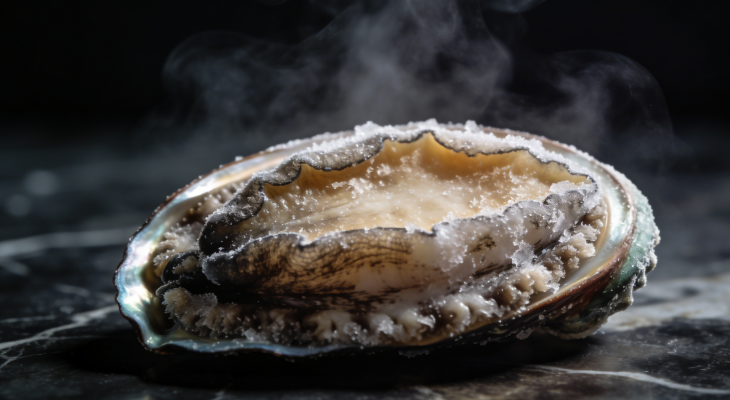
Step 1: Thawing – How to defrost frozen abalone? The core that determines freshness and texture
Thawing is the first threshold in the processing of frozen abalone. Incorrect thawing methods will directly damage the muscle tissue of abalone, leading to moisture loss and a dry, tough texture. Here are two of the most scientific thawing methods, which can be flexibly chosen according to the cooking time.
Refrigerated thawing (recommended, best for retaining freshness)
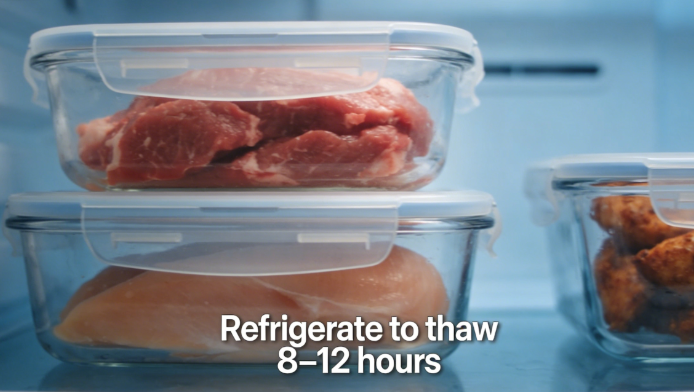
This is the gentlest thawing method, which can maximize the retention of abalone's nutrients and freshness. It is applicable to both large and small abalones. Take the frozen abalones out of the freezer in advance, put them into a fresh-keeping box or fresh-keeping bag and seal them (to avoid absorbing water and cross-flavor), then put them into the refrigerator. The thawing time varies according to the size of the abalones. Generally, small-sized abalones (each less than 50 grams) need 4-6 hours, while medium and large abalones (each more than 100 grams) need 8-12 hours. It is recommended to prepare them one day in advance. Thawed abalones feel soft but elastic, with no ice residue left. At this time, the meat quality is closest to the fresh state, and it is suitable for both steaming and frying. If it is a sashimi-grade abalone, this thawing method is more recommended to ensure food safety and taste.
Cold water thawing (quick, suitable for temporary cooking)
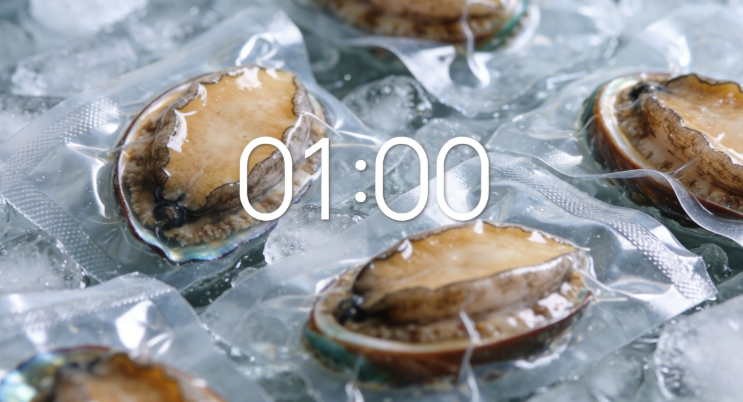
If time is tight, you can use the cold water thawing method, but never use hot water or leave it at room temperature. This is a quick way to thaw frozen abalone. Put the frozen abalone in a sealed fresh-keeping bag, squeeze out the excess air, and make sure the bag is tightly sealed to prevent water leakage. Especially for purchased vacuum-packed abalone products, they can be thawed directly if the packaging is intact. Prepare a basin of room-temperature cold water (water temperature not exceeding 20°C), put the fresh-keeping bag into the water, and if there are many abalones, you can turn them appropriately to allow the water to make even contact. Change the cold water every 30 minutes to prevent the water temperature from rising and causing bacteria to grow. Small abalones can be thawed in about 1 hour, while medium and large abalones take 2-3 hours. This method thaws quickly, but it should be noted that the abalones must be sealed throughout the process to prevent them from absorbing water and becoming bland, which will affect the flavor effect of the subsequent cooking methods for frozen abalones.
Note: Do not defrost abalone in a microwave oven! Whether it is cooked and frozen abalone or raw and frozen abalone, the uneven heating of the microwave oven will cause partial meat to be precooked. The outer layer becomes tough while there are still ice cubes inside, which seriously affects the taste. It will be difficult to remedy no matter how you cook the frozen abalone afterwards.
Step 2: Cleaning and Removing Impurities – Cleaner and More Hygienic for Greater Peace of Mind, the Foundation of Frozen Abalone Dishes
After thawing is completed, proceed to the cleaning step. The key is to remove impurities, internal organs, and mucus from the surface of the abalone while avoiding damage to the tender meat.
Surface treatment: Remove impurities from the shell
The surface of the abalone shell may be attached with sea mud, algae, or shell debris. First, use a soft-bristled brush (such as a toothbrush) dipped in clean water to gently scrub the shell, especially the gaps at the screw mouth, to ensure that the dirt is thoroughly cleaned. If there are stubborn stains on the shell, a small amount of edible salt can be added to increase friction. After scrubbing, rinse it clean with water.
Separate the meat from the shell: Take out the complete abalone meat
Take a small knife or table knife, insert it into the snail mouth of the abalone, and cut a circle along the inner wall of the shell to sever the muscle that connects the abalone meat to the shell (commonly known as the "shell-adhering muscle"). Then, hold the shell with your hand and gently take the abalone meat out of the shell. Be careful to move gently to avoid tearing the meat, especially when preparing abalone slices or abalone cuts, as it is even more important to keep the meat intact. The tail of the taken-out abalone meat will be connected to a green visceral mass and yellow paste. This part needs to be handled according to requirements. Whether it is sea-farmed abalone or imported abalone (from Japan/Chile/China/Korea), the way of handling the viscera is basically the same.
Viscera processing: Identify edible parts
In the visceral mass of abalone, the green liver part has a slightly bitter taste and may accumulate impurities, so it is recommended to remove it; while the yellow paste (commonly known as "abalone roe") is rich in nutrients, has a delicious taste, and can be retained for consumption. There is no difference in the handling between wild abalone and farmed abalone in this regard. When processing, use scissors to cut off the visceral mass at the tail, turn the abalone meat over, and rinse the surface mucus and residual viscera with running water. If there is a lot of mucus, you can add a small amount of white vinegar or flour to rub and wash, then rinse thoroughly with clean water to avoid any peculiar smell and ensure that the texture of frozen abalone dishes is not affected.
Remove the mouth and byssus
There is a hard "mouth" (radula) at the front end of the abalone meat, which has a rough texture and is inedible, so it should be dug out with a small knife. At the same time, check if there are small byssus on the surface of the abalone meat, clean them thoroughly by hand or with a brush to ensure the meat is clean.
Step 3: Preprocessing - Enhancing Taste and Flavor Absorption, the Key to Frozen Abalone Cooking Tutorials
The cleaned abalone meat still needs simple pre-treatment, which can not only make the meat more springy and tender, but also help it absorb flavors better during subsequent cooking.
1.Cutting: making cuts or slicing
Choosing the appropriate cutting method based on the cooking method is an important part of how to cook frozen abalone. If it is to be stewed or braised, you can diagonally score a checkerboard pattern on the surface of the abalone meat, with the depth reaching 2/3 of the meat, but not cutting through it. This not only makes it look nice but also allows the seasoning sauce to fully penetrate. For example, when preparing abalone dishes for New Year's meals, such treatment can make the dishes more exquisite. If it is to be pan-fried, stir-fried, or used as sashimi, the abalone meat can be cut crosswise into thin slices, that is, abalone slices. When slicing, it should be cut against the grain of the meat, which can effectively break down the muscle fibers and make the texture more tender. It is excellent for use in abalone rice bowl recipes.
2. Blanching: Remove fishy odor and lock in freshness
Except for the sashimi preparation method, it is recommended to blanch abalone first before most cooking processes, as this is a basic step in steaming or boiling abalone. Bring water to a boil in a pot, add ginger slices, scallion sections, and a small amount of cooking wine, then put in the abalone meat. Cook over high heat for 1-2 minutes. Once the surface of the abalone meat changes color and shrinks slightly, immediately take it out and soak it in ice water for a while. Blanching can remove the fishy smell of abalone, and soaking in ice water can make the meat firmer and more chewy. This step must not be skipped, as it can improve the texture whether it is for making soup with frozen abalone or other cooking methods using frozen abalone.
Step 4: Cooking Tips - Recommended Methods for Frozen Abalone Dishes to Enhance the Flavor of Abalone
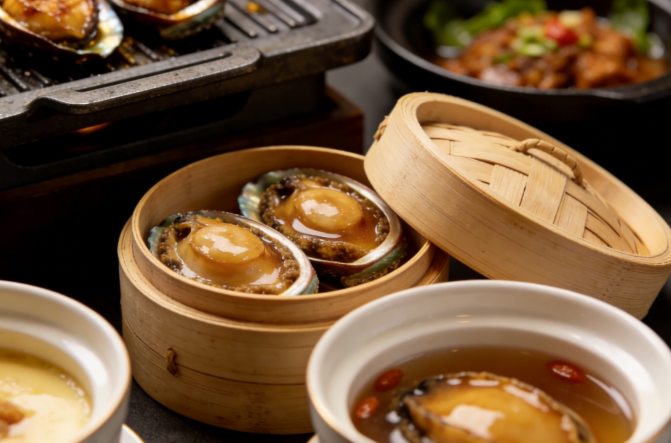
For processed abalones, you can choose various cooking methods according to your preferences. Here are some practical tips from frozen abalone recipes to make the abalone taste even better, which are applicable to both simple abalone dishes and exquisite New Year's dishes:
-
When stewing, you can clean the abalone shells and place them at the bottom of the pot. This not only enhances the umami flavor but also prevents the abalone meat from sticking to the pot.
-
When pan-frying abalone, first heat the pan, then add oil. Put the abalone in and fry slowly over medium-low heat. Flip it over when the surface is slightly browned to prevent the meat from falling apart.
-
When seasoning, you can use seasonings such as light soy sauce, oyster sauce, and rock sugar to highlight the freshness of abalone. Avoid using overly strong-tasting seasonings that might mask its natural flavor.
Frozen Abalone Storage Methods and Purchasing Guide
If you can't finish processing them all at once, you can refer to the following methods for storing frozen abalone: Clean the abalone meat, divide it into portions, seal each portion in a plastic bag, squeeze out the air, label the date, and then put it in the freezer. It can be stored for 3-6 months. When thawing again, repeat the above correct method. Avoid repeated thawing and freezing, as this may deteriorate the texture of the meat. In terms of purchasing, where to buy frozen abalone? Now, buying abalone online is very convenient, and you can also refer to frozen abalone reviews and unboxing content to make a selection. If you have a large demand, group buying or wholesale of frozen abalone is more cost-effective. When purchasing, you can pay attention to the price of frozen abalone and compare frozen abalone prices to choose products with high cost performance. In addition, the abalone home delivery service is mature. Whether it's a single product, an abalone gift box, or an abalone New Year's dish combination, they can be delivered to your door. Some merchants also provide abalone cooking kits, making cooking more hassle-free.
Mastering the above steps, frozen abalones can also be eaten with the springy tenderness and freshness of fresh ones. From the patient waiting required for thawing frozen abalones to the careful handling during cleaning, every detail embodies an attitude towards delicious food. Whether you choose imported abalones (from Japan/Chile/China/Korea) or local products, whether they are pre-cooked frozen abalones or raw frozen abalones, these tips are universally applicable. It is recommended to handle frozen abalones in this way. Next time you get frozen abalones through abalone seafood home delivery or online purchase, you might as well try following this guide to easily serve this delicious seafood on your own dining table.
Lian Ruey-Frozen Seasoned Abalone
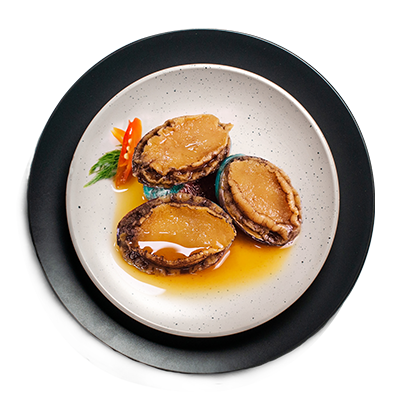
宴席等級・即食免煮・穩定供應
嚴選高品質養殖鮑魚,鮮甜與彈牙口感,以急速冷凍技術鎖住無腥味、品質優。以日式甘口醬油為基底,搭配台灣蒜頭、薑及辣椒慢火燉煮,呈現鹹甜平衡、香氣濃郁的經典風味。
解凍即食,無需額外調味即可上桌,大幅節省備料與烹調時間。
無論冷盤、合菜、便當、年菜組合皆適用,是餐廳、中央廚房與宴席業者的高實用性選項。
產品特色:
品質穩定,適合家庭、餐廳、宴席使用
省時高效率:完全熟食,解凍即可使用
風味濃郁耐存放:醬汁甘醇、入味一致
用途多元:冷盤、年菜、宴席合菜皆可快速出餐
成分:
鮑魚、水、鰹魚醬油、壺底油、冰糖、蒜頭、薑、辣椒、米酒頭
規格與保存
容量:800g/包(固形物 430g、醬汁 370g)
包裝:29-31顆入
外箱:15 包/箱
保存方式:冷凍 -18°C 以下
顯示 AI 摘要
冷凍鮑魚處理得當,口感不輸新鮮品。解凍是關鍵,推薦冷藏或冷水解凍,切勿微波。清洗需去除雜質、內臟及黏液,可加白醋或麵粉搓洗。預處理包含改刀劃紋或切片,並建議焯水去腥鎖鮮。烹飪時,可利用鮑魚殼增添風味,並避免使用過於濃重的調料。冷凍保存以密封分裝為佳,可網購或團購,並注意價格比較。掌握以上技巧,輕鬆在家享受美味鮑魚料理。